Traces
The Signs of the Artisans: two apartments and a collection of hornbeam furniture for a centuries-old farmhouse beside Villa Arconati, made to live with the traces its makers left behind.
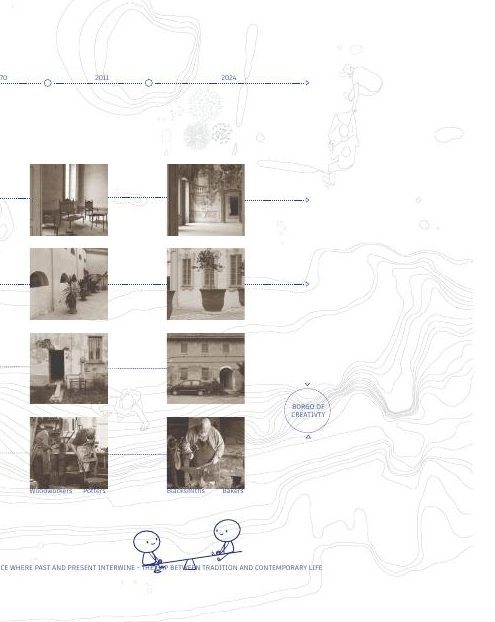
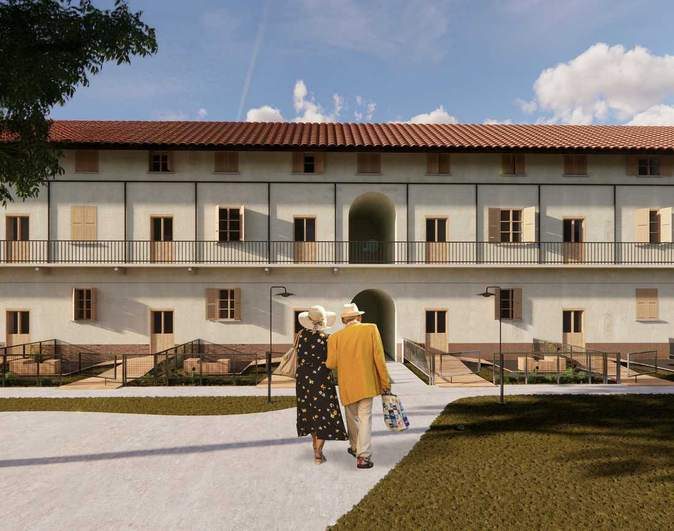
Villa Arconati, built between 1690 and 1700 just outside Milan and known as the little Versailles, sits beside a borgo of farmhouses and workshops that were the heart of the village’s daily life: woodworkers, metalworkers, leatherworkers and toolmakers who often lived in the buildings they built. The Augusto Rancilio Foundation, which has owned and restored the villa since 1991, asked the studio to bring one of those farmhouses back into use. Every corner of it holds a mark left by the people who worked there, and the project treats those traces not as something to preserve behind glass but as the thread that ties past and present together.
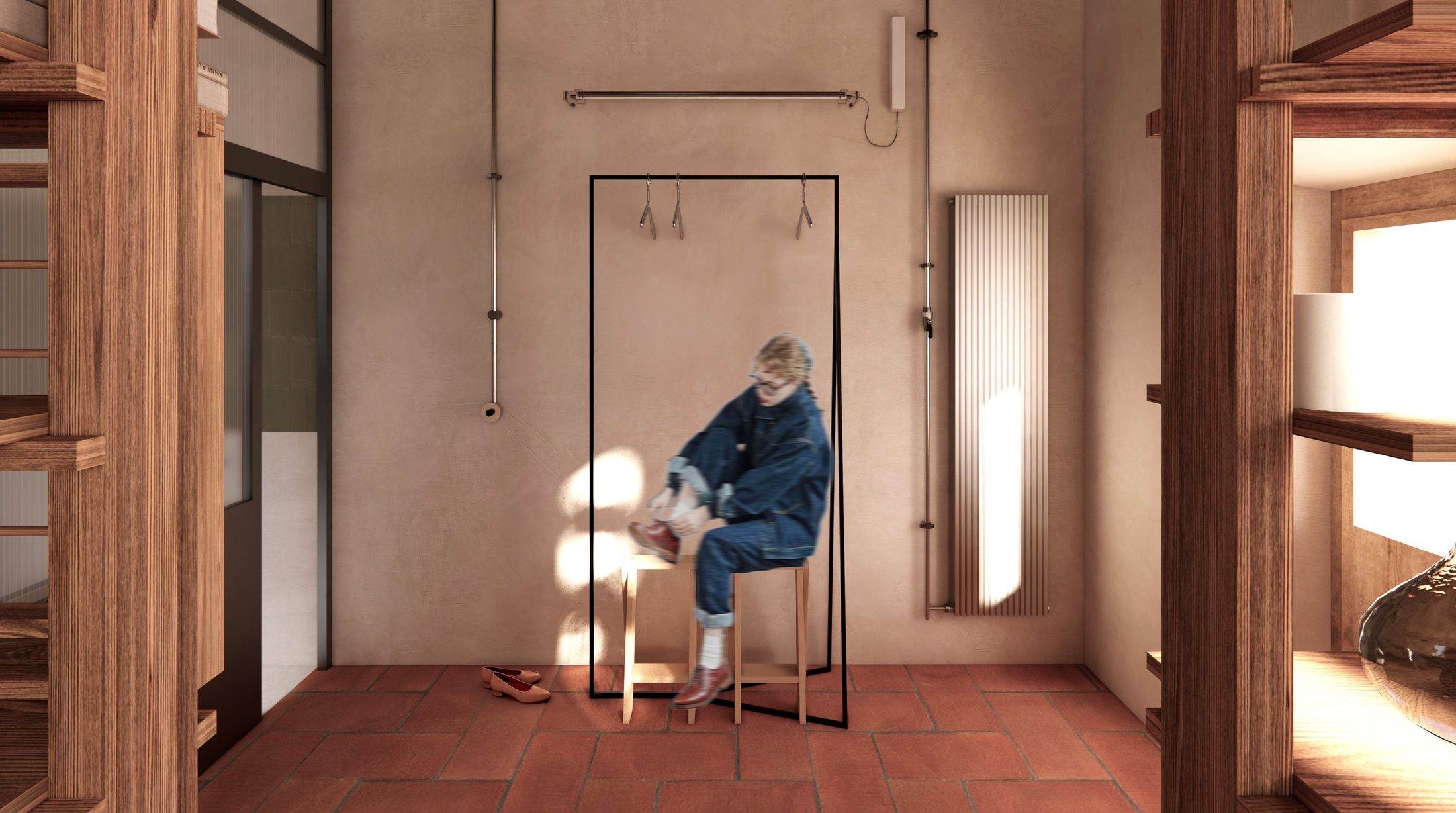
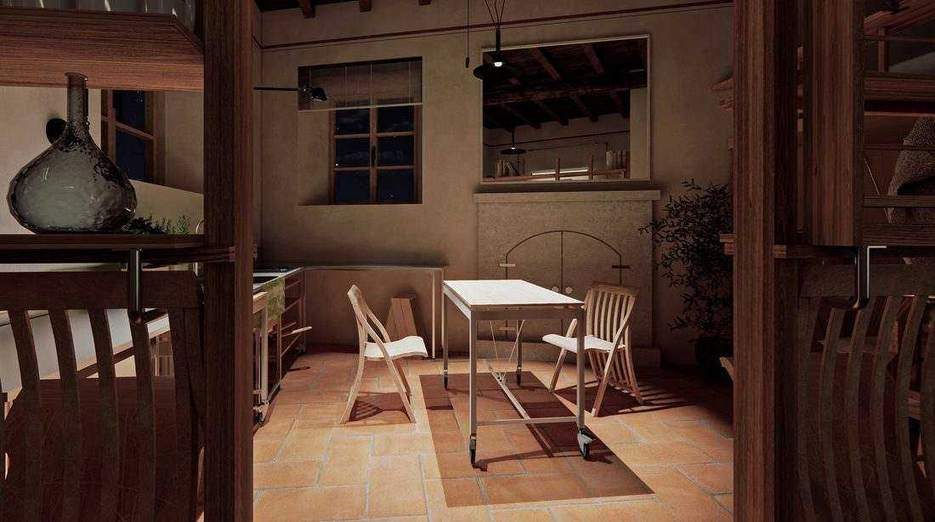
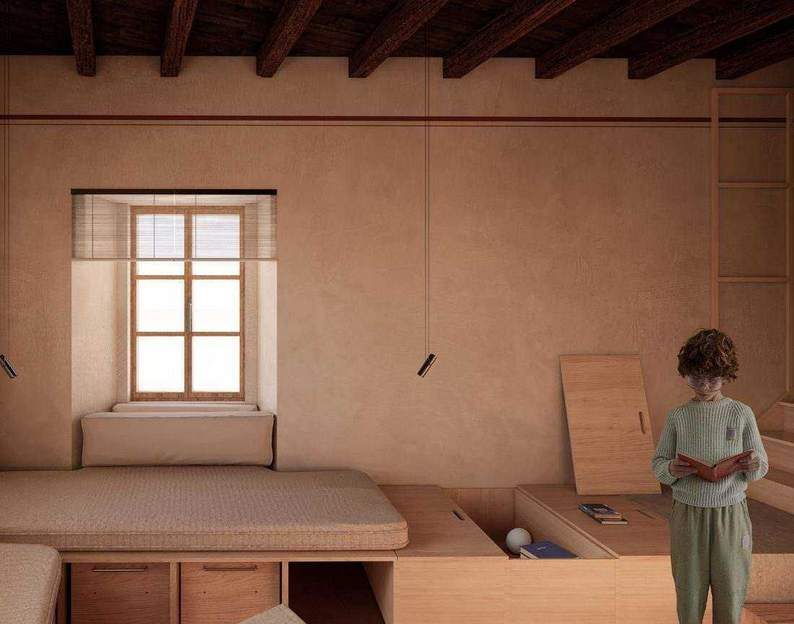
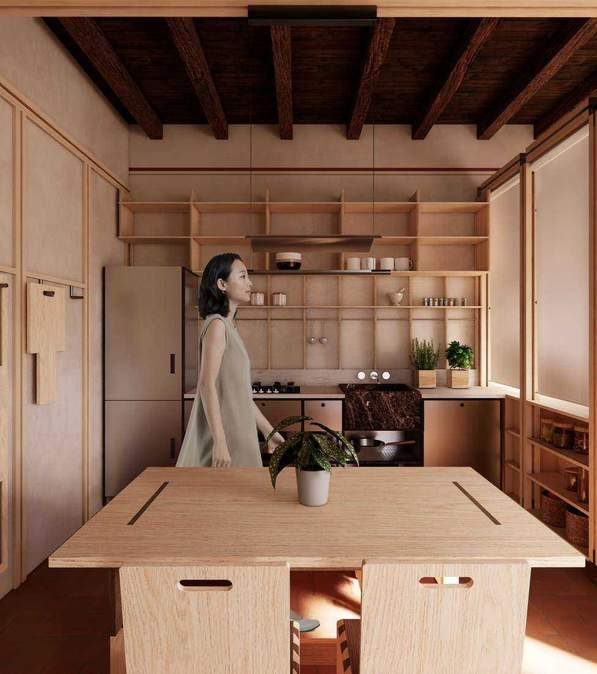
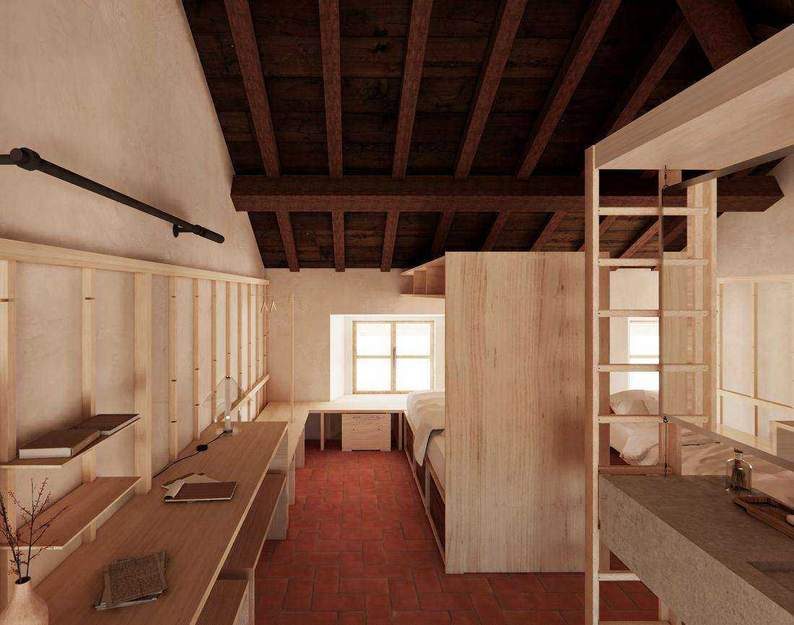
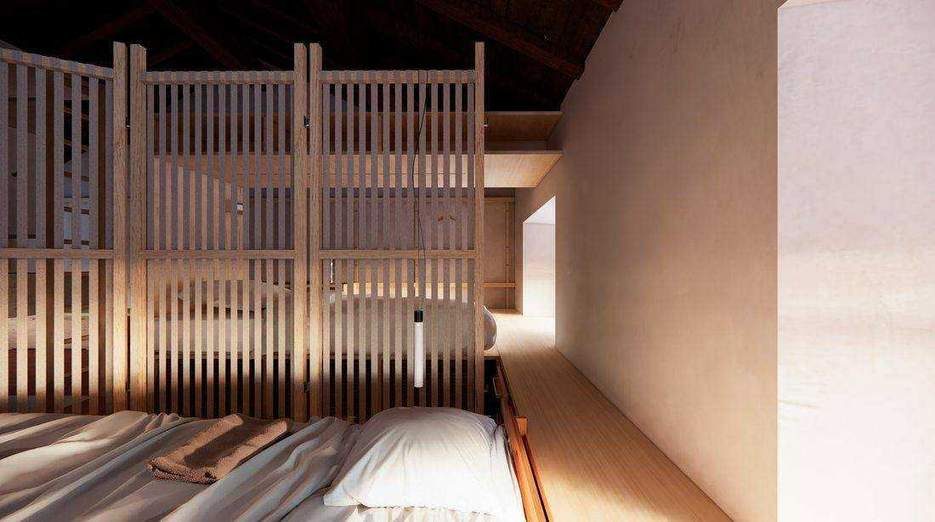
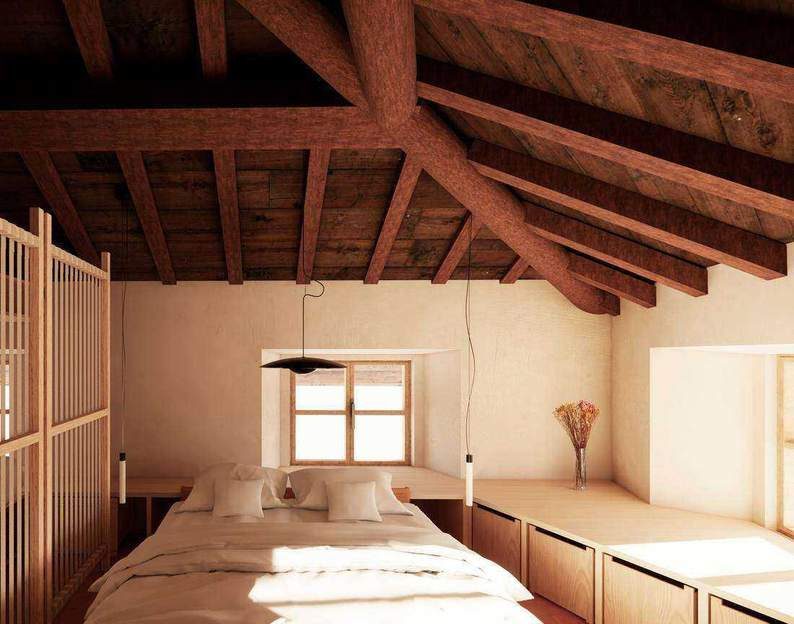
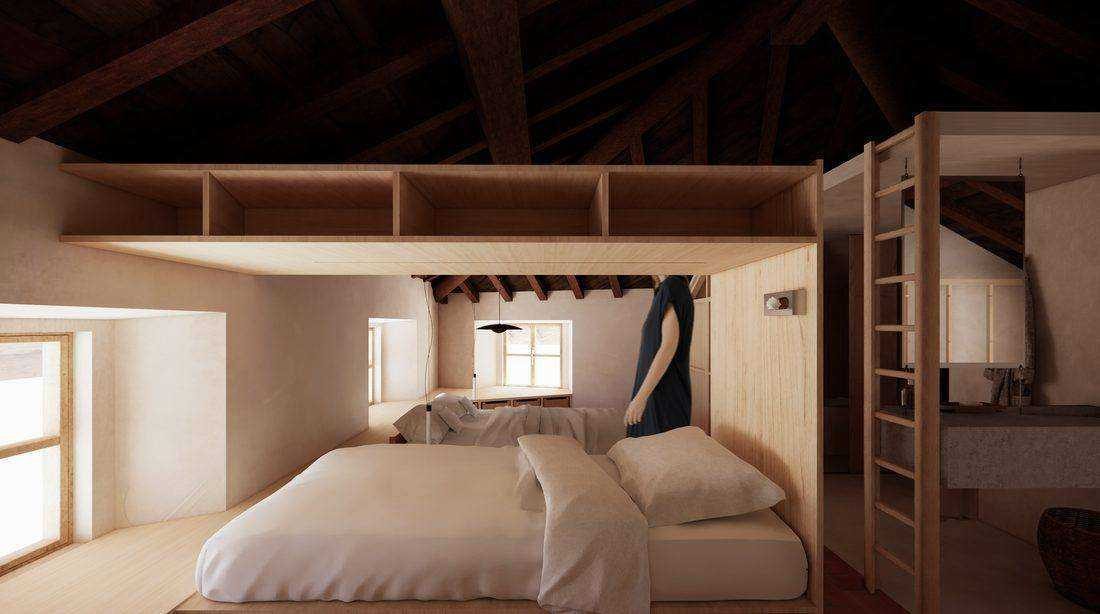
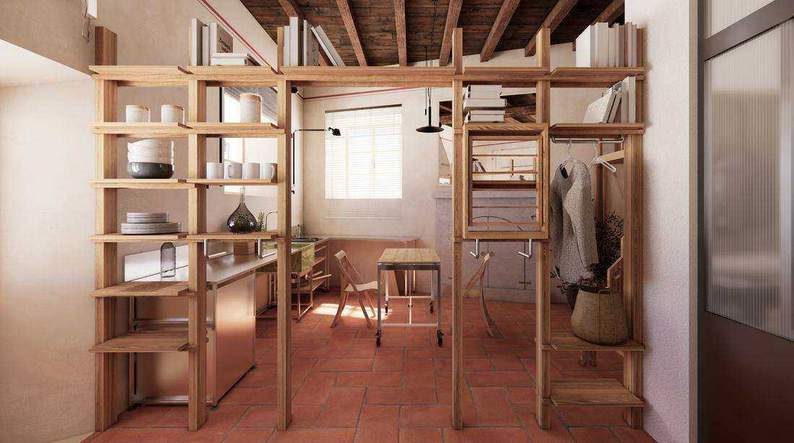
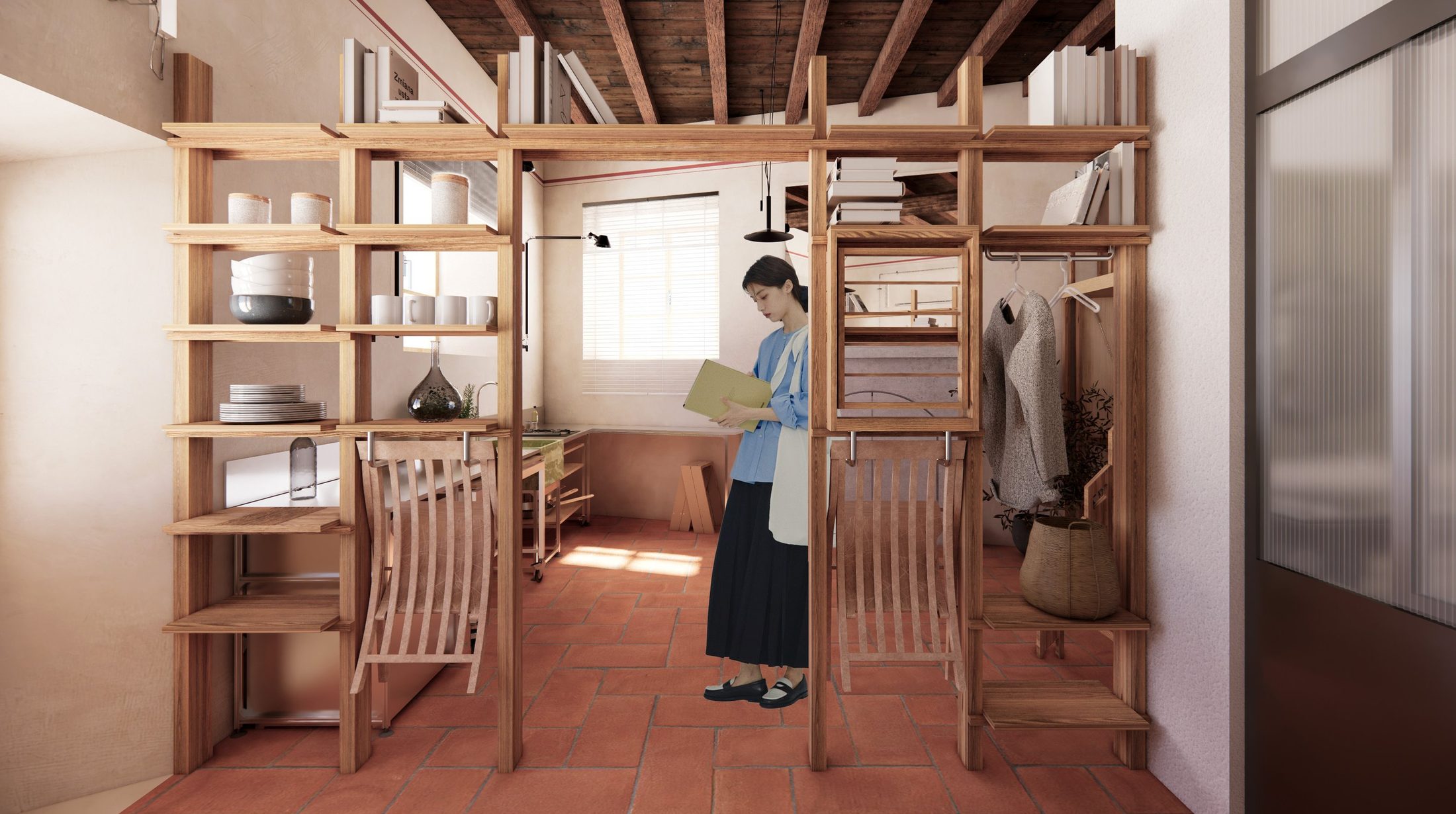
The building becomes two apartments across three levels. Officina, on the ground floor, is a studio for two with a private garden and an open, fluid plan: a partition piece welcomes you at the door, the kitchen and living flow into one another, and a fold-away stair leads to a mezzanine bed. Bottega, on the two floors above, is a longer-stay apartment for up to four, with the living, kitchen, bathroom and laundry below and a shared bedroom under the roof beams above. The materials are the borgo’s own: terracotta laid in herringbone, hornbeam from the Groane park for ceilings and furniture, walnut for the internal structure, and the red wall decorations of the original rooms. Six rules govern the spaces: multifunctional, transformable, exposed, outline, interaction, open.
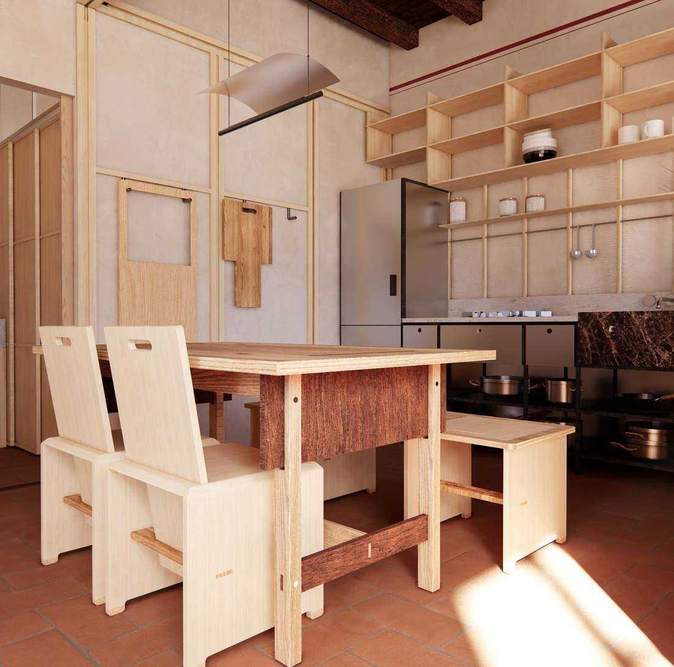
Both apartments are furnished with NON SOLO, a collection built on the idea that objects are never used exclusively for their original purpose. Every piece is dry-jointed, with no glue or screws, self-manufactured and hand-finished, signed and stamped: FARE, a table; OSPITE, a sitting system of chair, stool and bench; OVUNQUE, a box; RELAZIONE, a divider; and SALUTO, a piece for the entrance. The wood is hornbeam, worked with traditional Japanese joinery and finished light or dark, with brushed stainless steel and white linen.
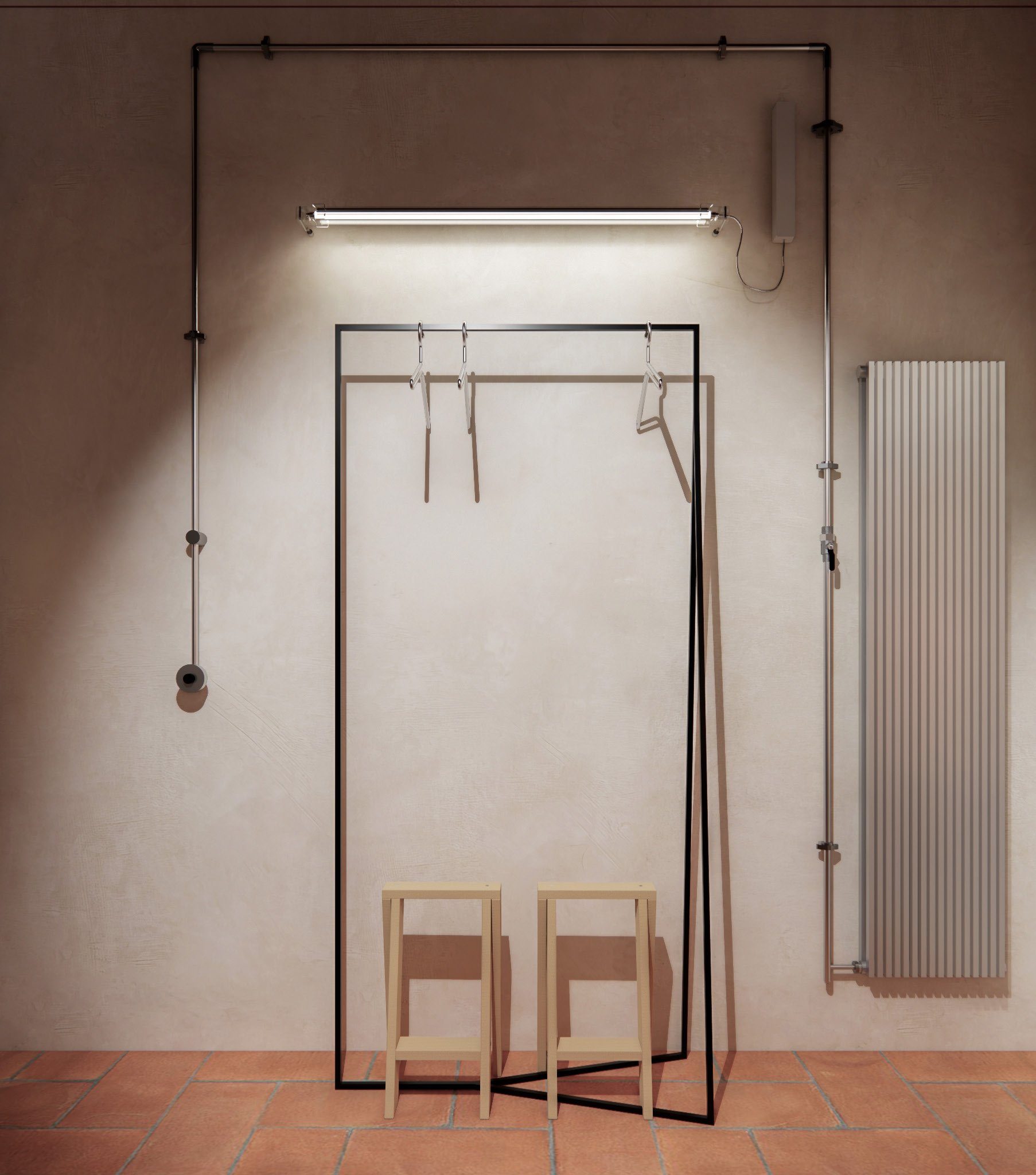
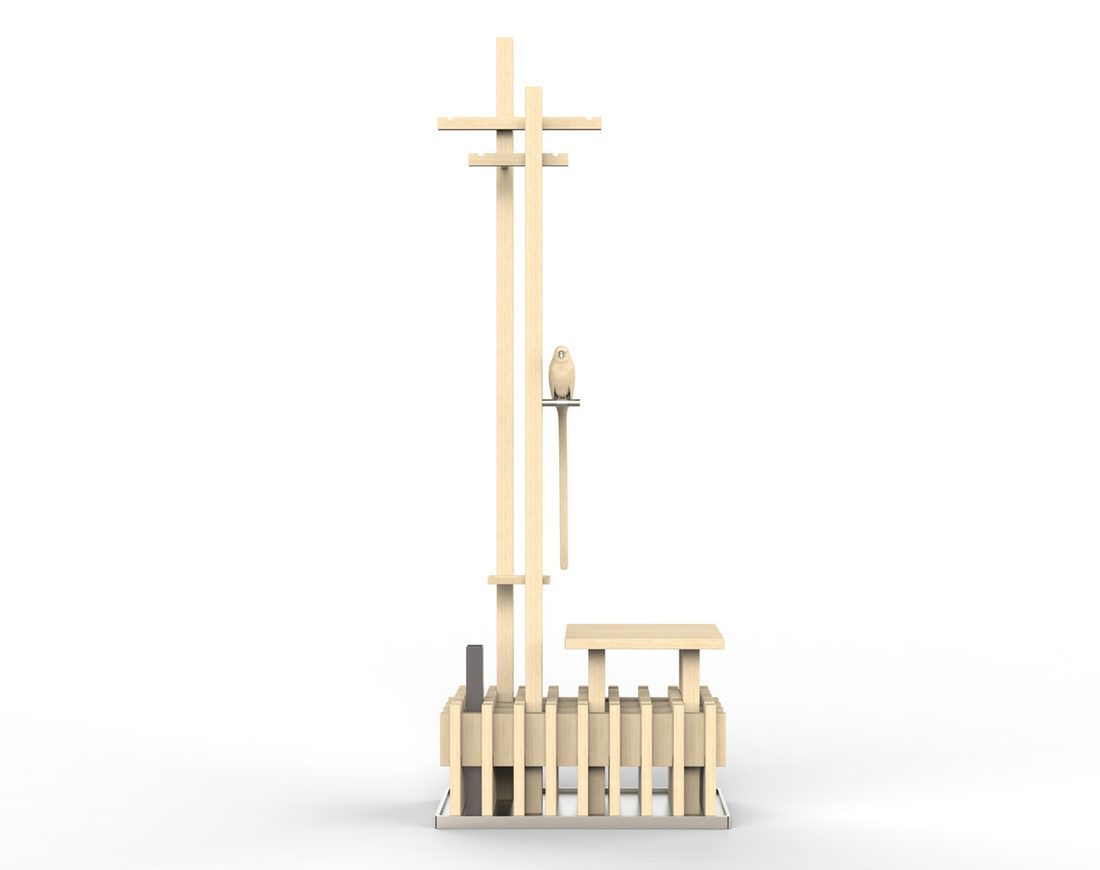
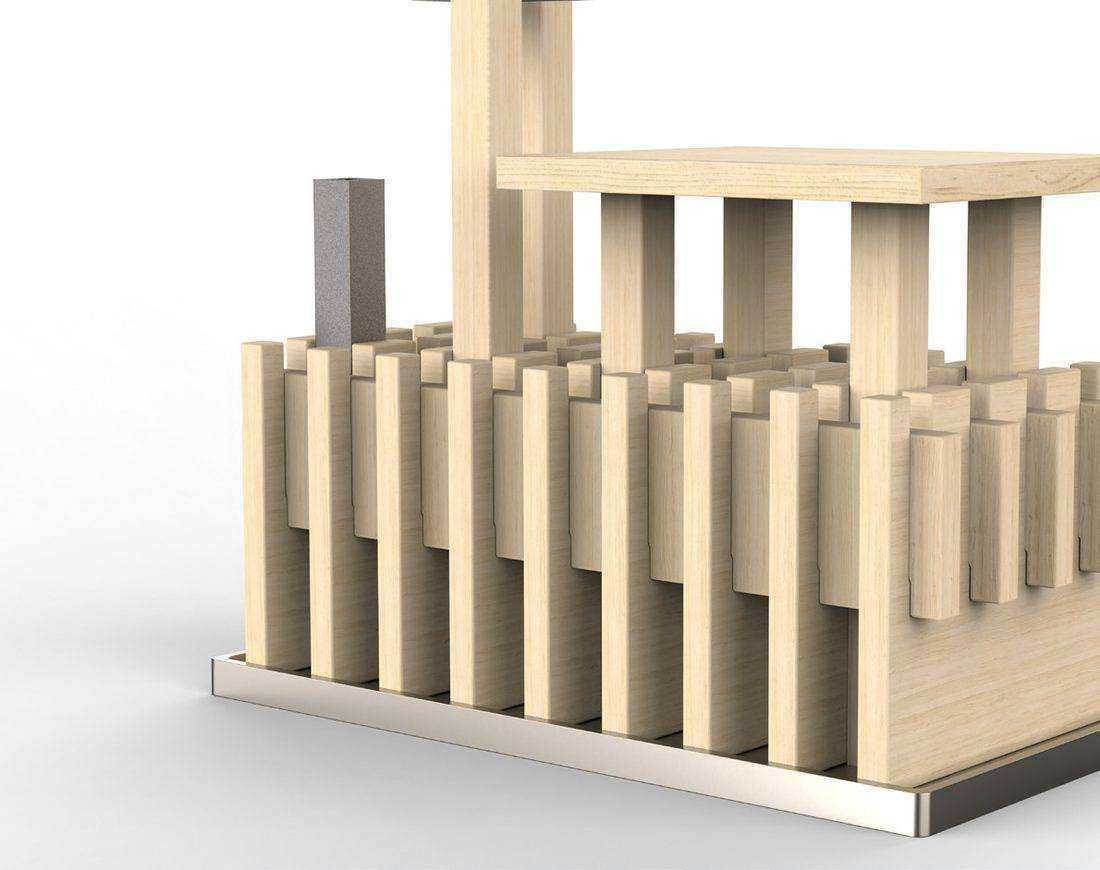
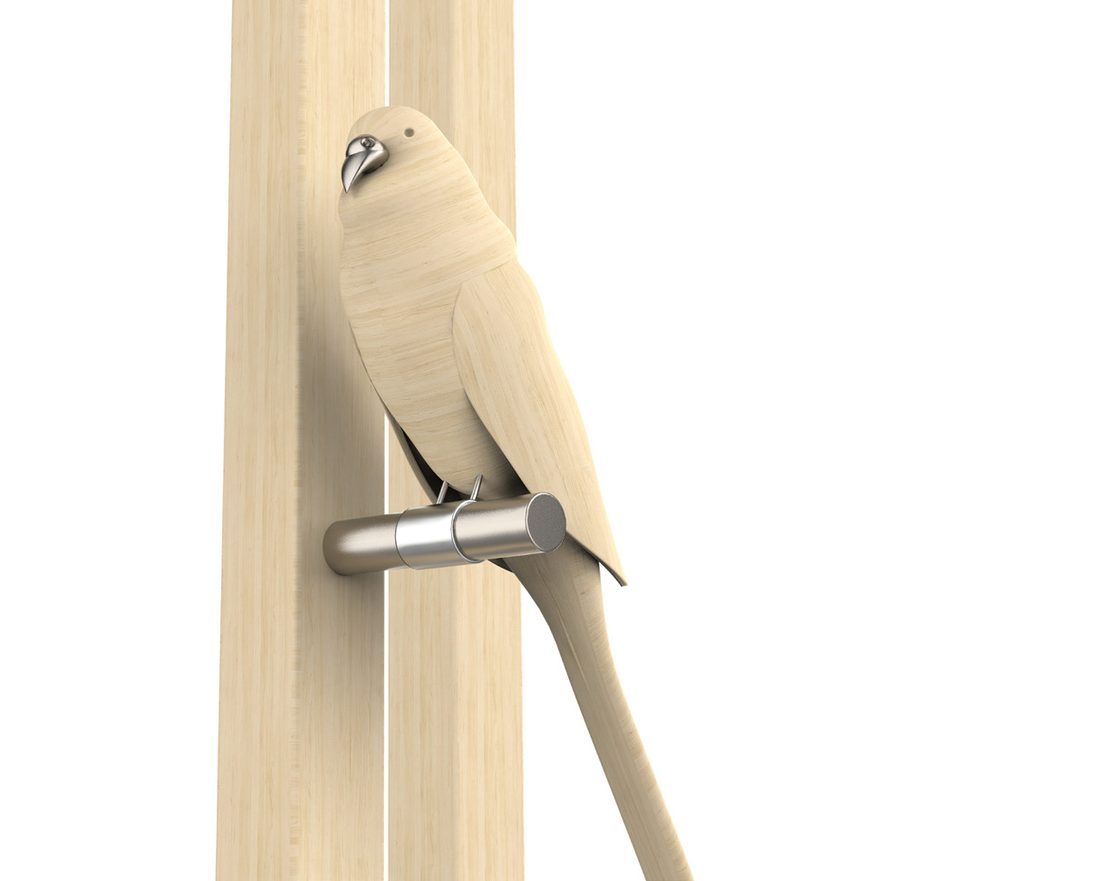
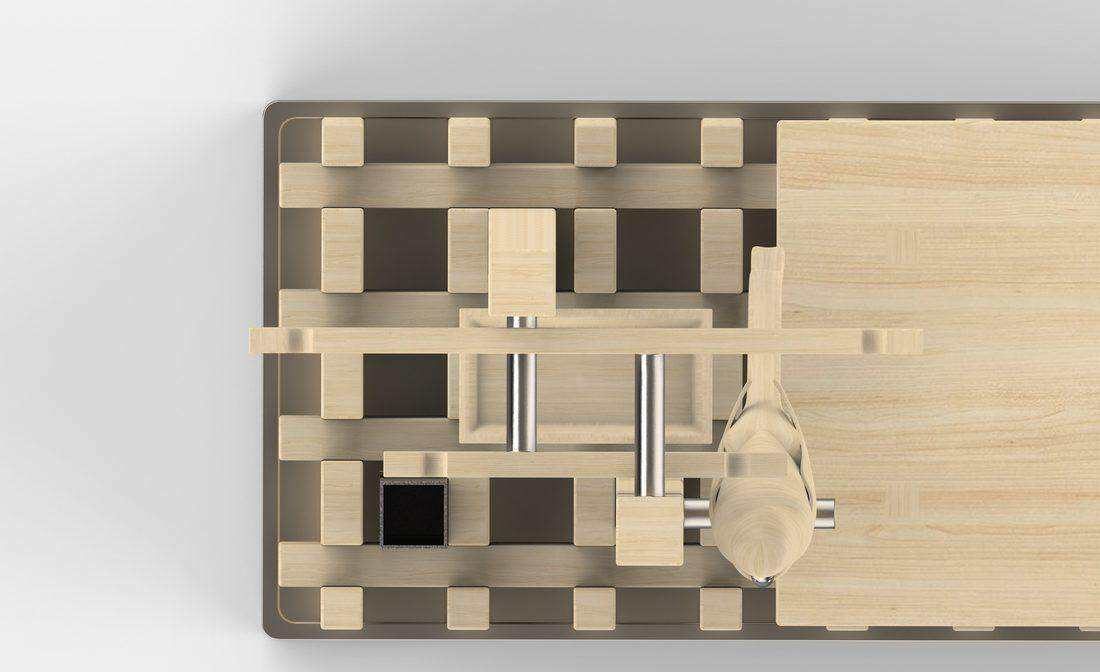
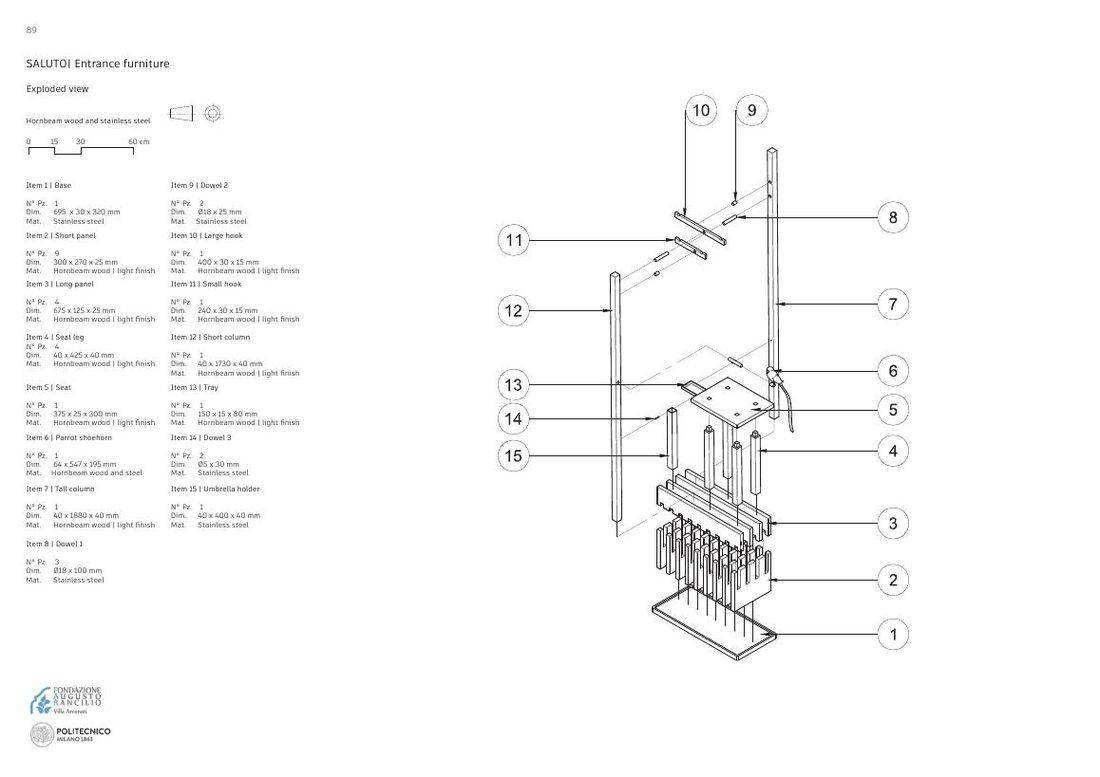
SALUTO was my piece. It is the first thing you meet when you come in and the last thing you see on the way out: a hornbeam grid on a steel base whose perforations are homes for the accessories, coat hooks, a tray, an umbrella stand, a seat and a small carved parrot that doubles as a shoehorn, which slide in and move around according to the habits of whoever lives there. The base is an interlocking system of wooden panels that needs no fixings, and the whole thing is meant to invite personalisation and ownership, so the entryway ends up reflecting the person who uses it.
Objects are never used exclusively for their original purpose.