Because It Was Always There
On pursuing childhood dreams.
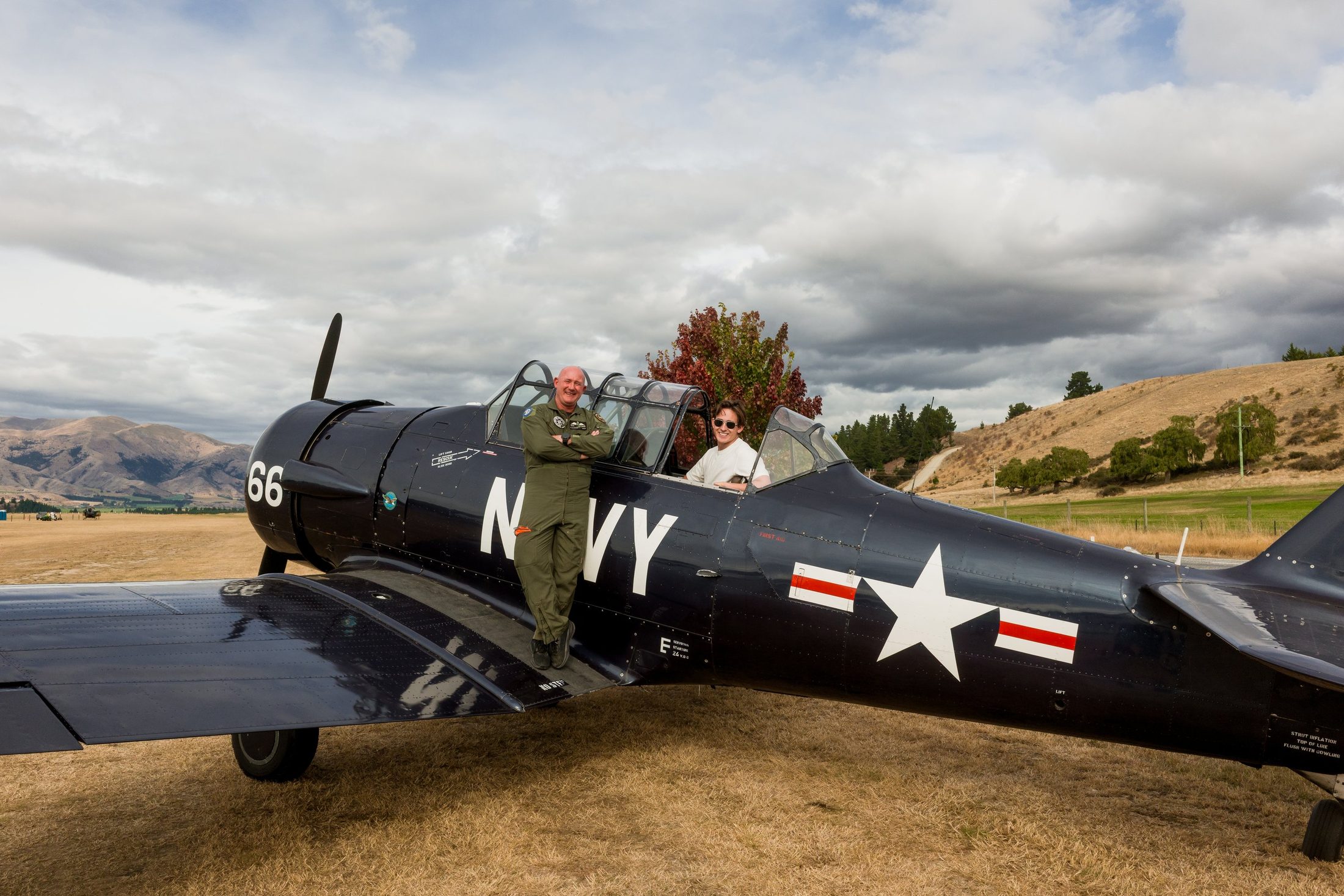
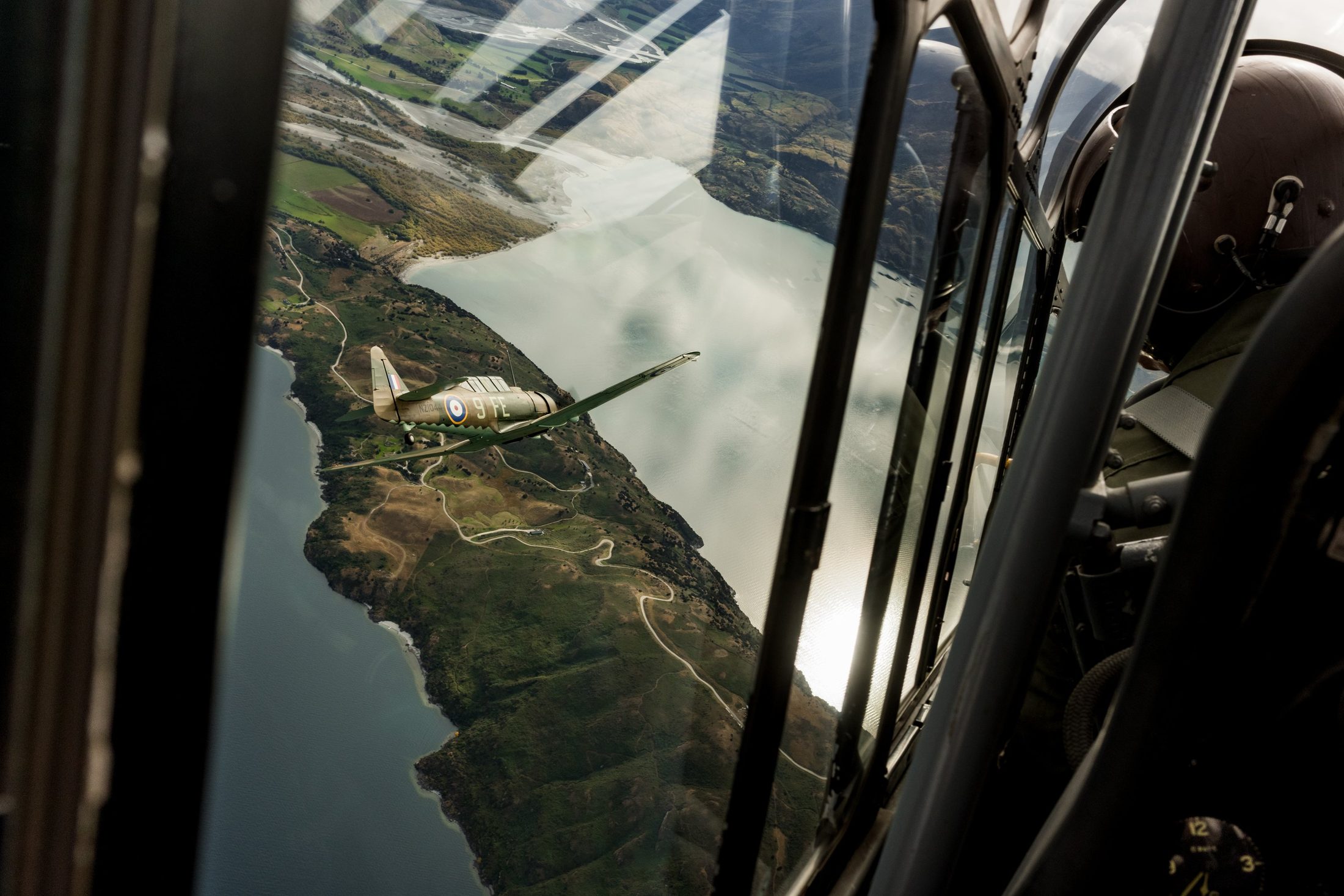
The engine is already screaming before we leave the formation.
“You have control!”
I now have the stick. The aircraft feels alive in a way nothing else does. Not like a car, not like anything I’ve driven or touched. There’s no separation between input and response. The moment I move, it moves. The separation between human and machine disappears. I am flying.
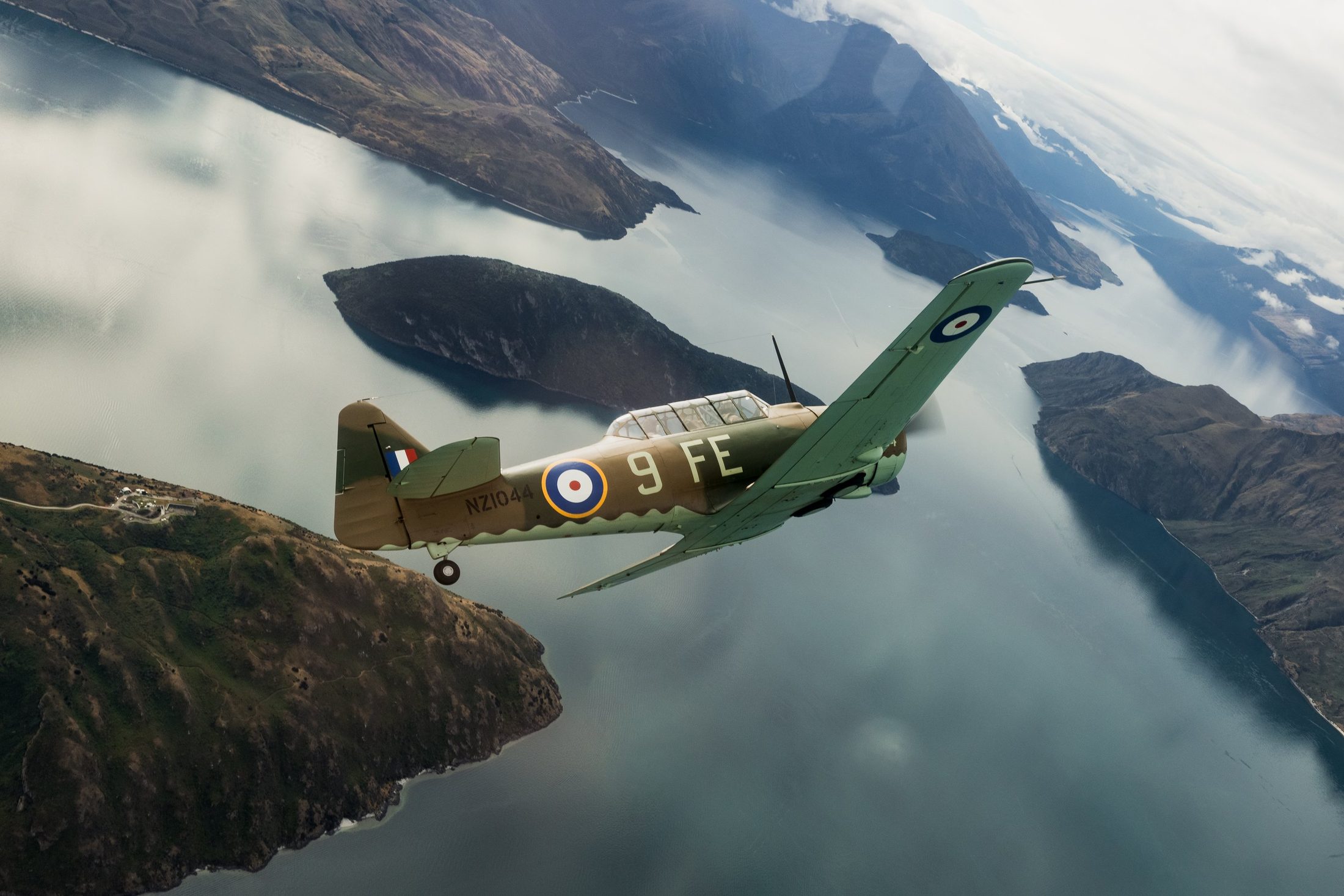
Stick forward and the nose drops, building speed. 160 knots. Then back on the stick. At first it’s one of me in the seat, then two, then three; all stacked on my own shoulders as the G-force compresses everything downward. The horizon disappears. Blue fills the canopy, then suddenly the world flips and I’m looking straight down at the land below. Lake Wānaka. The same lake I spent summers on as a kid, lying on the rocky beaches and watching aircraft carve lines through the sky. Back then I was looking up, trying to imagine what it felt like. Now I was the one looking down.
Fourteen years after my first airshow. Twelve after my first flight. Five after getting my PPL. A childhood dream, realised in about twenty seconds.
People talk a lot about making their younger self proud. It’s become one of those ideas that sounds right without ever really being questioned. So burned into the zeitgeist that it’s spoken of as matter of fact. As if whatever you wanted at eight years old is automatically something worth chasing at twenty-two. But that doesn’t quite hold up. There are plenty of things I wanted as a kid that, if handed to me now, would feel more like a burden than a dream. I’m fairly certain that owning every Lego set ever made, something I would have considered the pinnacle of existence at one point, would lose its magic very quickly to adult me. I’m sure I’d be looking down at younger me with serious concern that this was his one dream to have by my age. Some desires don’t deepen with you. They just stay exactly as they were: simple, unexamined, and ultimately replaceable.
So the question becomes more interesting. Not how to fulfil your childhood dreams, but which ones are actually worth keeping.
Because some of them never really leave. Not in a loud way. Not as a constant obsession. But as something quieter, a kind of underlying pull. A sense that there is something there worth returning to, even if you don’t fully understand why. So it’s worth entertaining the question.
Flying was always that dream for me.
Not just flying in the abstract, but something more specific. Warbirds. The sound of a Merlin engine. The shape of aircraft built with a kind of singular purpose. Not comfort, not efficiency, but performance. Machines that feel like they belong to another era, carrying with them a kind of romance that is hard to explain and even harder to justify. As a kid, I didn’t have a reason for it. I just knew I loved it. Anemoia is a term I recently learnt to name this. As I got older, I could have easily dismissed that. It doesn’t fit into a career path. It doesn’t optimise anything. It doesn’t solve a clear problem. By most modern standards, it’s irrational. But that is the why. It’s not rational, yet I still feel an unshakable pull. We spend years learning how to explain ourselves. To justify our interests in terms of outcomes, usefulness, or progression. Everything has to be quantified. And in that process, it becomes very easy to lose the things that never needed an explanation in the first place.
Beauty. Fascination. Instinct.
Sometimes a reason as simple as “because it’s there” is more powerful than anything you can put into a spreadsheet. These were George Mallory’s exact words to justify his summit attempt of Everest in 1924. That simple idea was enough to potentially make him the first to do so, decades before Edmund Hillary. These same words were in my head when I did my first Ironman. And now again for flying a ninety-year-old aircraft. You can justify and optimise objectives and goals as much as you want, but exploring the forces stronger than yourself is something I encourage you to consider.
“I haven’t done one before! I’ll follow you on the controls.”
“You’ll be fine. Just do as I say.”
A barrel roll… As if the loop wasn’t enough.
We roll the wings, the aircraft inverts, the world rotates around me instead of the other way around. It’s smooth. Controlled. Almost effortless. And then it’s over. Fourteen years of anticipation compressed into seconds.
“I’m sorry I’m so quiet,” I say over the radio. “I’m a bit speechless right now.”
There’s a slight glaze in my eyes. Not quite tears, but close enough that anyone watching would know. At some point I realise my face actually hurts from the ear-to-ear smile, so permanent one would think it was painted on.
What struck me most wasn’t just the intensity of it, but the clarity. I have never been so present in my life. No noise. No future. No past. No thinking about what comes next or what any of it means. Just the immediate, physical reality of being there, hands on the controls, completely absorbed. And in that moment, the question of whether this dream was “worth it” felt almost irrelevant. It wasn’t useful. It wasn’t productive. It didn’t move anything forward in a measurable way.
But it was true.
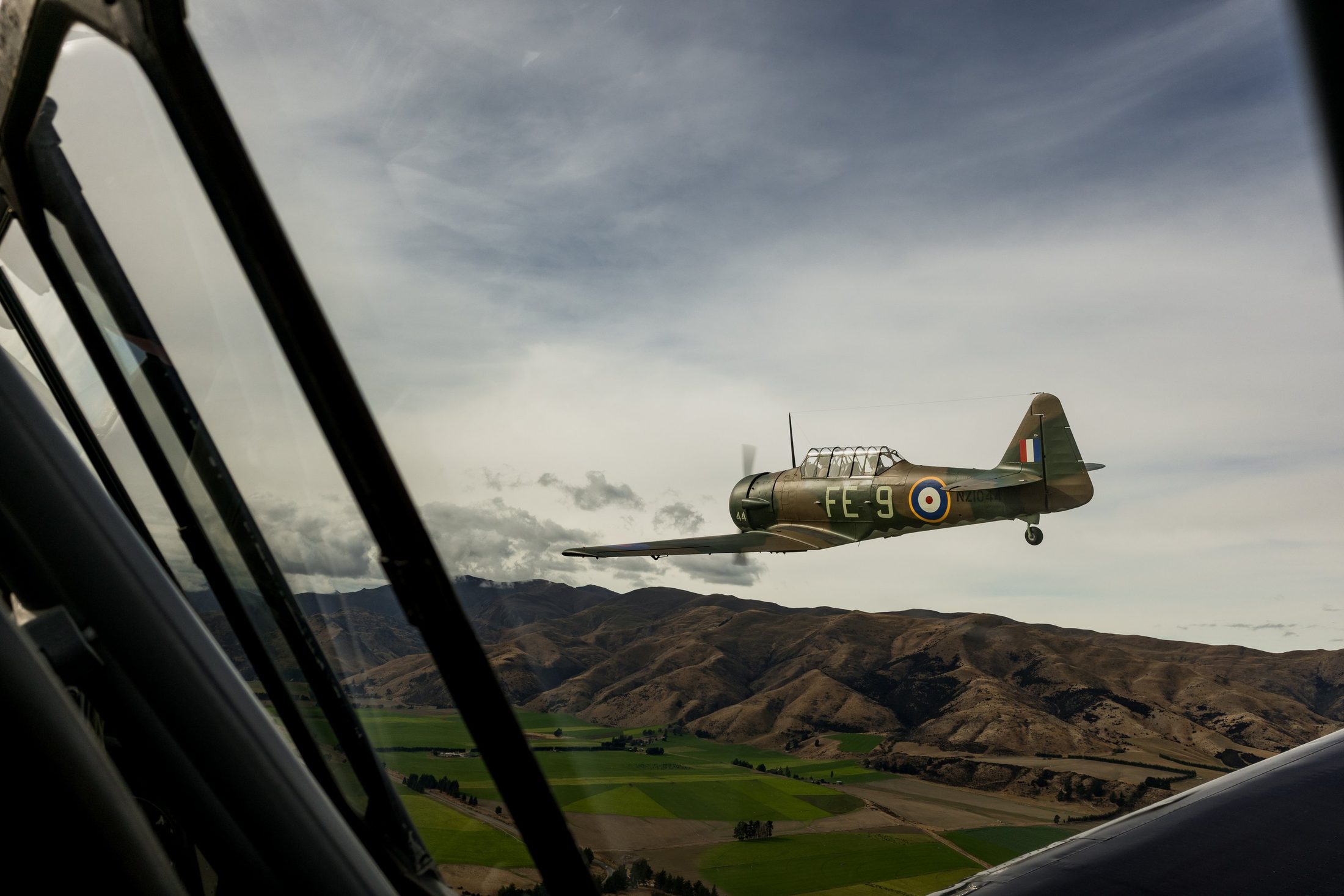
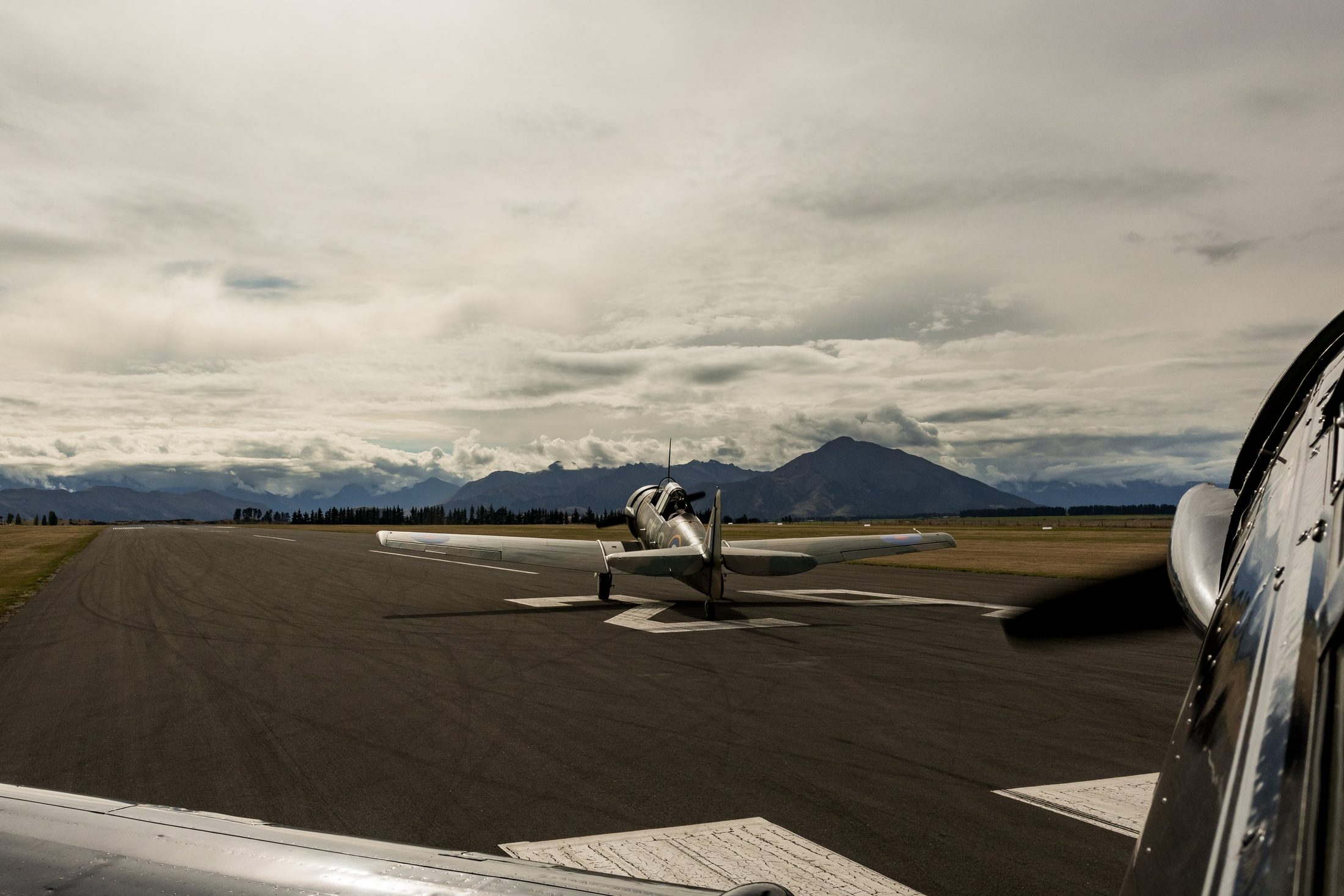
We rejoin formation, come in to land, taxi back. Engine off. I slide the canopy open and just sit there for a second. The same place, the same sky, the same machines, a totally new me. I feel different. Not because I’ve achieved something in any grand sense, but because I’ve closed a loop. Something that started without explanation has now been fully experienced, and in doing so, proven itself.
Maybe the goal isn’t to make your younger self proud. Maybe it’s to figure out which parts of him were right. And to have the discipline, and the courage, to follow those, even when they don’t make sense on paper.
If you take anything from this: go rediscover what younger you dreamt of. And see what magic lies in the ones that still gently pull you in. You might just relearn something about yourself.