
The Demise of the Casual Drinker Is Killing Our Twenties
What Frühlingsfest and consistent gym workouts taught me about harmony in life.
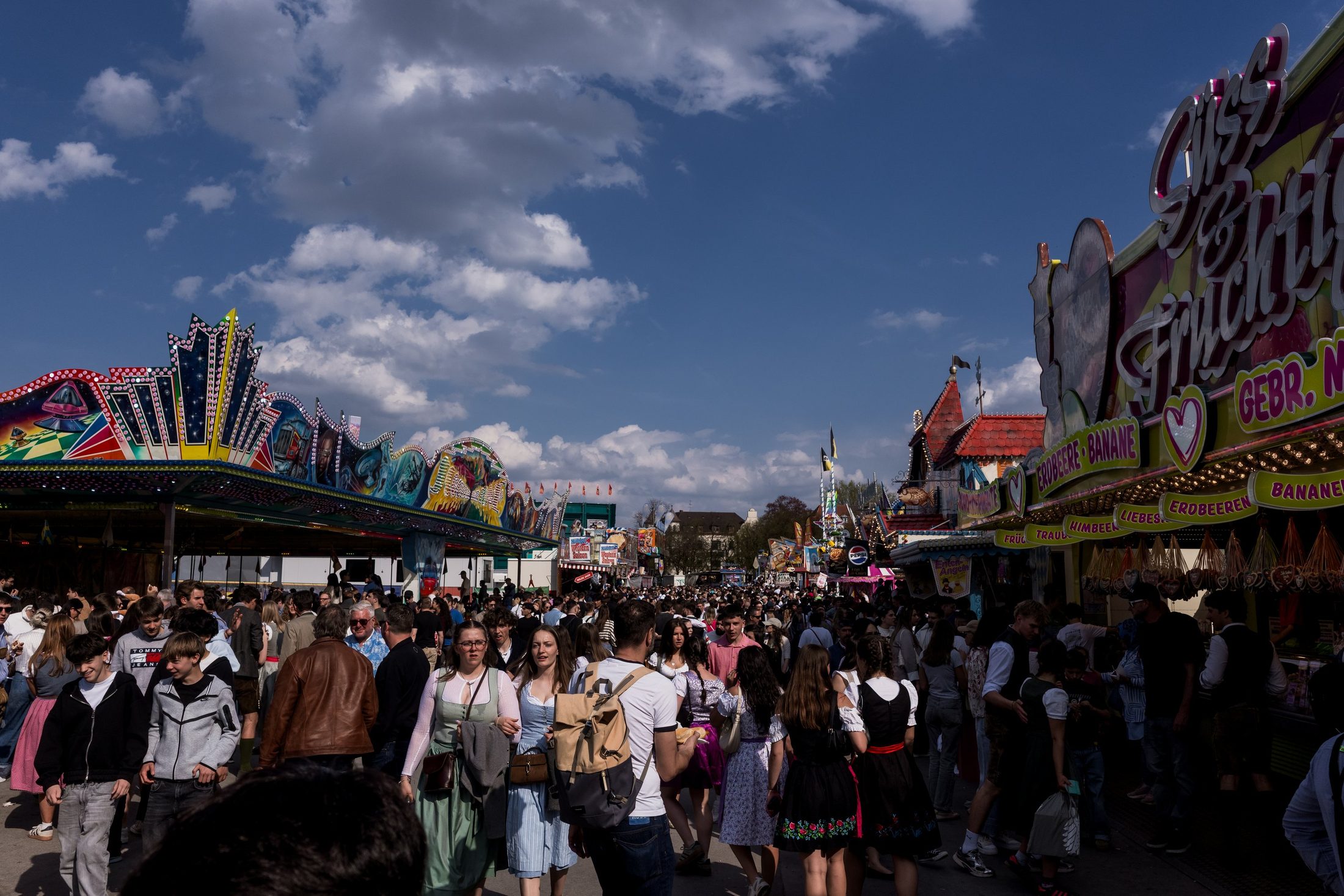
This essay began as a nostalgic daydream about Oktoberfest and Frühlingsfest. Coming from New Zealand, I knew Oktoberfest’s spring sibling was far less famous, and I thought it would be a lovely chance to introduce it to my Anglosphere friends. Especially as Oktoberfest is in full swing right now. Instead, it turned into a rabbit hole about living, friendship, and a figure I think my generation is quietly losing: the casual drinker.
I. The Table
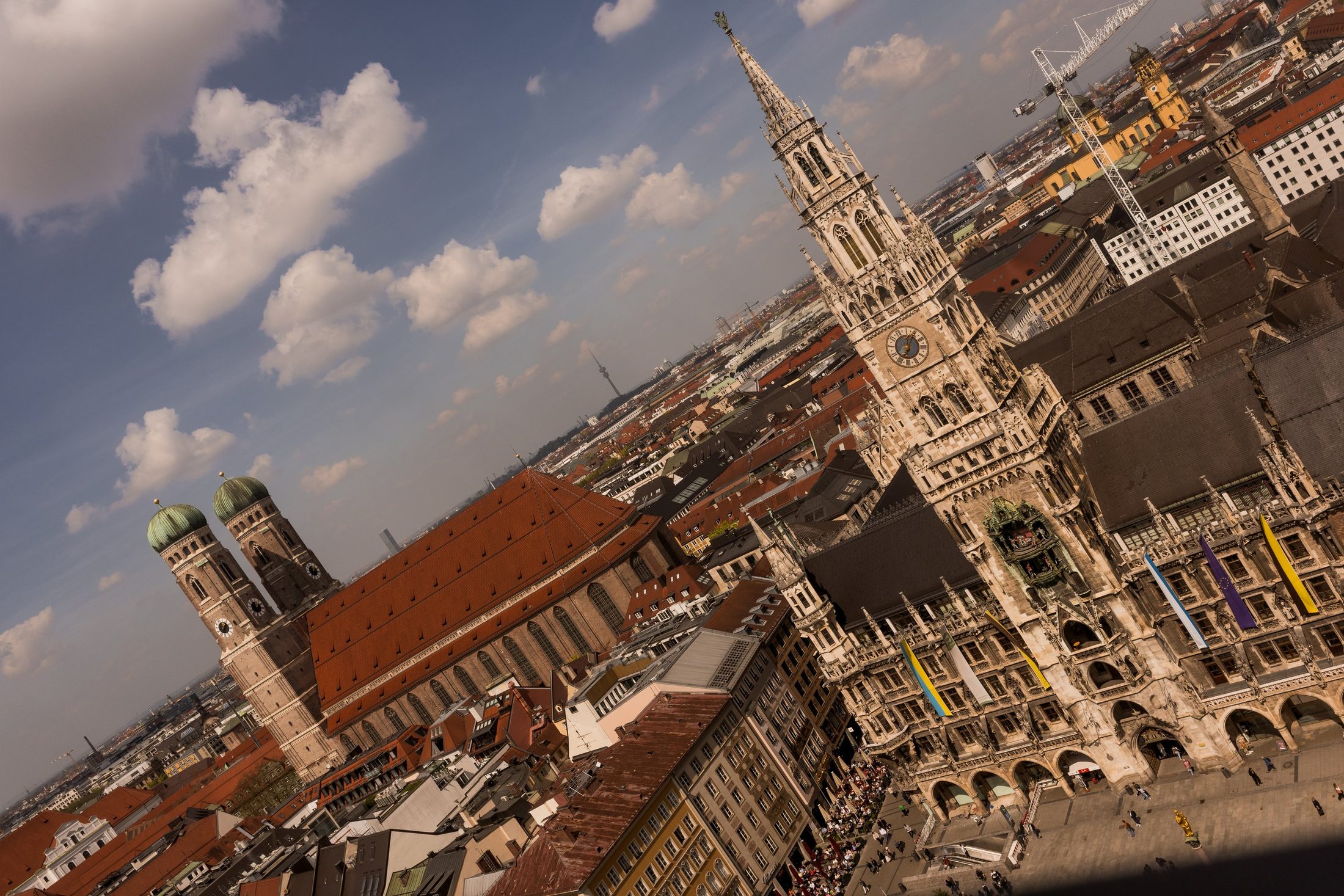
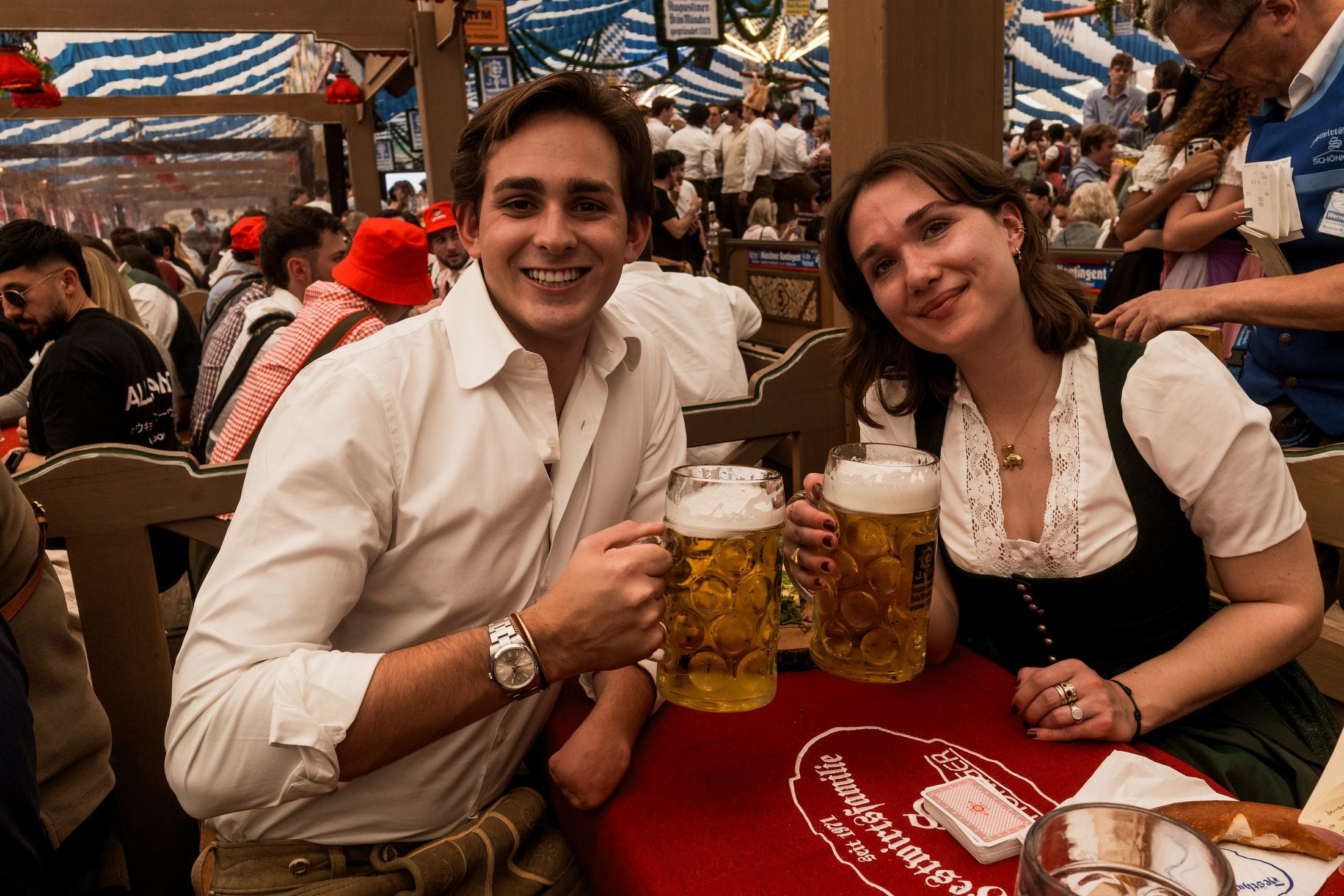
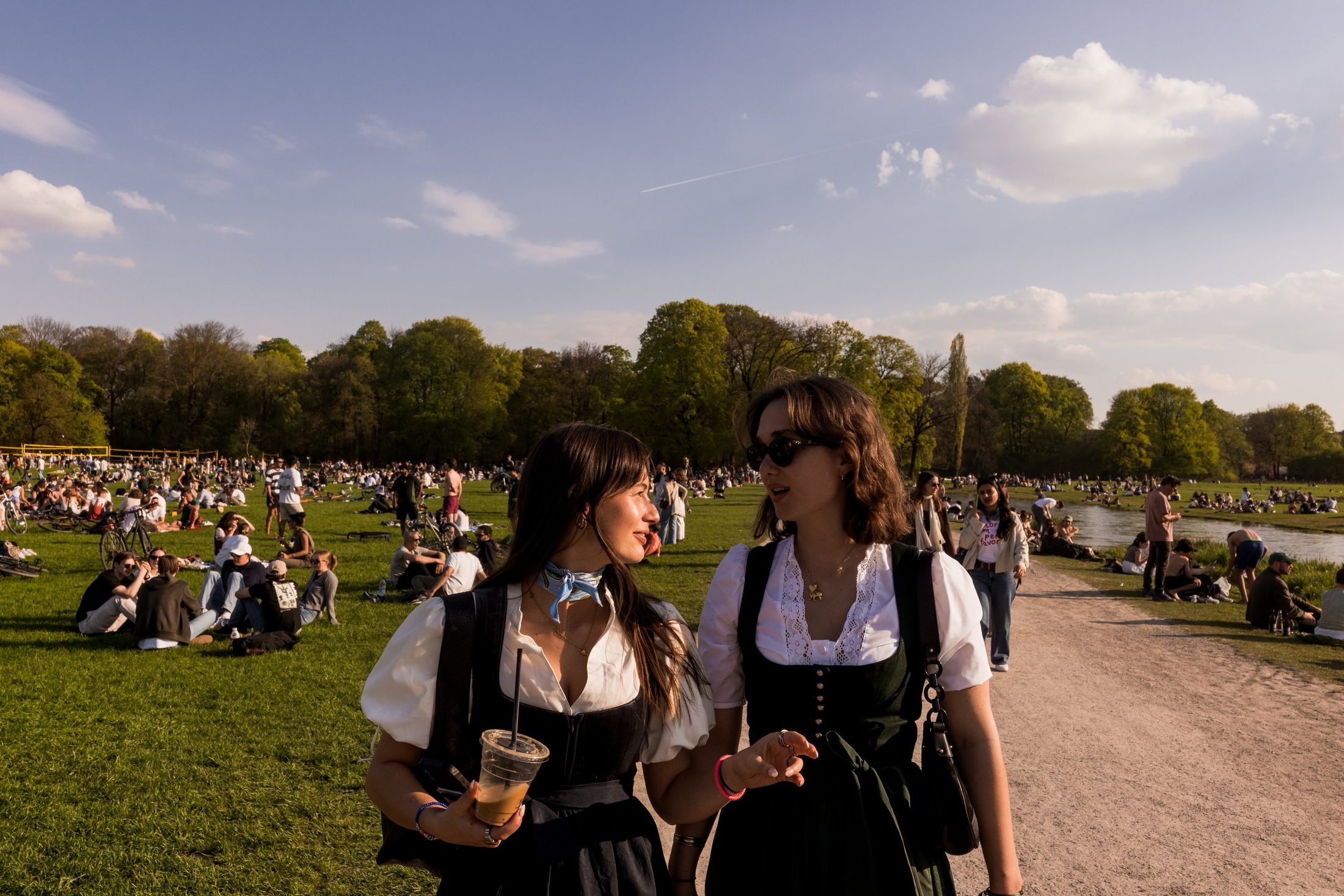
Julia and I met at a gym in Melbourne. Our friendship began through routine, discipline, and the fairly unremarkable act of continuing to show up, and repeated sessions at the Melbourne University gym grew into a group of four: Julia, Euan, Cal and me. Many trips and over a hundred workouts later, I flew to Munich in April to stay with Julia for a second time. I doubt either of us expected this when we first spoke between sets, but friendships have a habit of outgrowing the circumstances that start them. Something that began in a singular room devoted to physical improvement had carried me across the world. There are worse returns on a gym membership. Seeing a city through someone who lives there gives you somewhere to belong before you’ve learnt your way around. We saw Tame Impala at the Olympic Stadium, walked the city and visited the Residenz, where the Bavarian monarchy had evidently never been told to keep things tasteful and within budget. Then there was Frühlingsfest, where any pretence that this would be a restrained cultural visit disappeared into a Maß of beer.
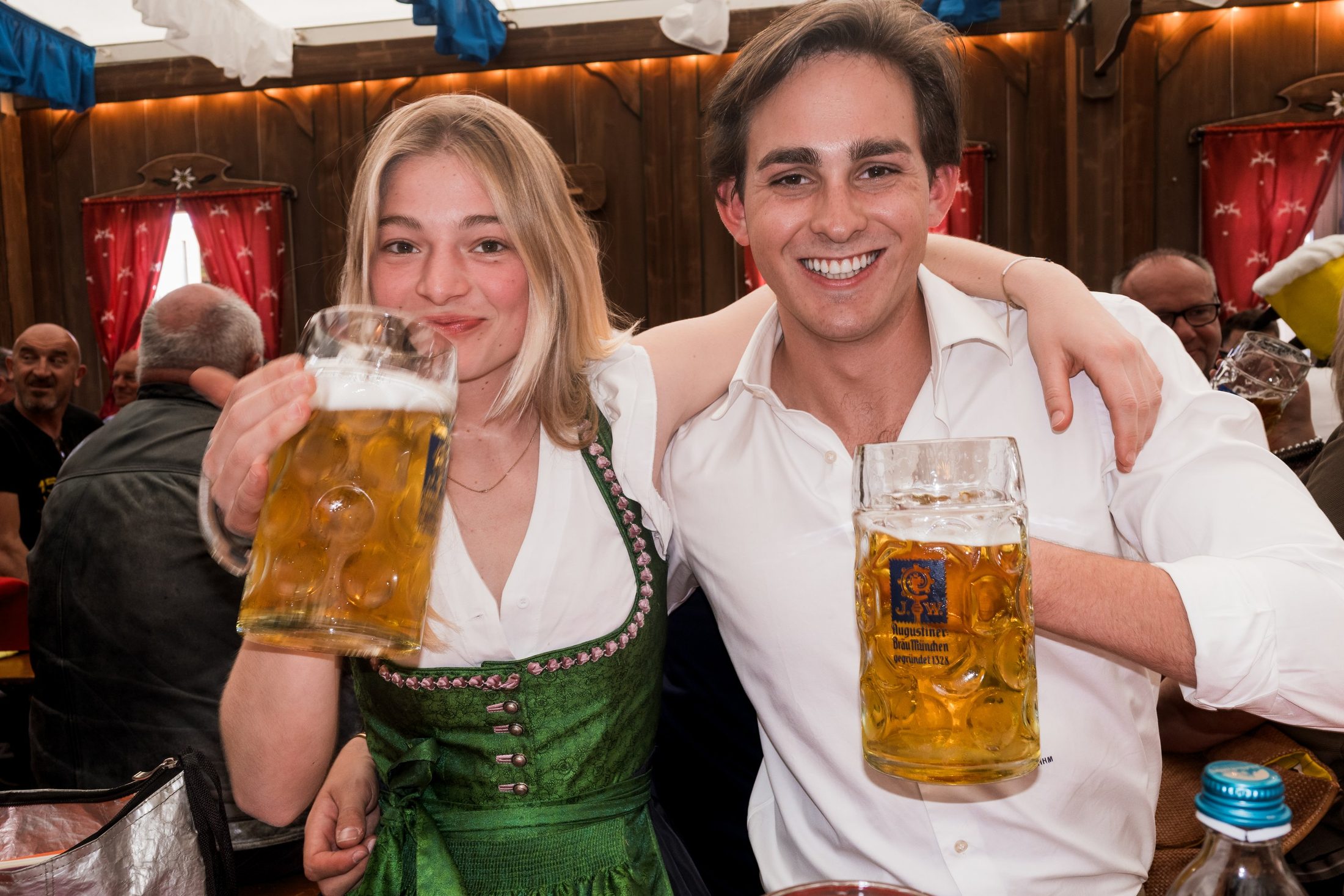
For the uninitiated: Oktoberfest began in 1810 as the celebration of a royal wedding and has since become one of the most recognisable parties on earth, its image copied by so many bars and university theme nights that the imitation now shapes how outsiders imagine the original. Frühlingsfest arrived in 1965, on the same grounds, as Oktoberfest’s smaller spring sibling. Without the weight of that global mythology, it felt younger, more local and less concerned with performing for tourists. The tents were still enormous. Long communal tables filled with people in Bavarian dress, brass bands gave way to pop music, and benches took on a second life as stages. Groups spoke to other groups with an ease ordinary life rarely permits. There was a feeling of temporary permission: to be louder, less guarded, more willing to see where the evening might go. For a day, the city’s identity was something you could sit down inside, beside people you didn’t yet know.
I met Caity through Julia and the group around one of those tables. We got along immediately, and before long we had gone from strangers to singing German songs with our arms around each other (I do not speak German, and I suspect that was obvious). Alcohol didn’t create that friendship, but it helped create the conditions in which it could begin. Julia and I met in a gym; Caity and I met over beers. One friendship grew through routine and repetition, the other through accident and release. The point isn’t that alcohol is required for friendship. It’s that different environments allow different kinds of connection, and I’m glad my life had room for both.
II. The Missing Middle
I keep returning to that evening because drinking is increasingly discussed through its extremes. There is the person who has given it up and discovered perfect sleep, and the person whose life is coming apart from overindulgence. Between them sits someone who works, trains, eats reasonably well, and occasionally stays late at dinner because the company is good. The casual drinker may not actually be disappearing from ordinary life, but they are disappearing from the stories we tell about it. A reasonably functional person enjoying a glass of wine offers very little material for a post on Instagram, and the lifestyles that suit most of us aren’t the ones that get clicks. My father calls it “the art of grey”: not everything has to be black or white. Some people do have excellent reasons for avoiding alcohol, and nobody owes a table an explanation for what’s in their glass. Its harms are real. But I’m suspicious of the idea that identifying a health cost settles every question about an experience. What worries me isn’t that fewer of us drink. It’s that fewer of us seem willing to leave an evening unaccounted for. Success in your twenties is about getting out of the house and allowing room for luck to work its magic. If that means a glass of wine or four, so be it.
Online, that kind of inconsistency looks like a failure of character. Everyone seems to have chosen a single occupation for their soul. The athlete never misses training. The founder works while the rest of us sleep. The traveller has escaped ordinary life, and the wellness expert has discovered something sinister in your breakfast. These identities are easy to understand and easy to sell. A person who trains on Wednesday, drinks on Friday, reads a novel on Sunday and goes to work on Monday is harder to package. Social media asks what singular thing you’re about; a full life rarely gives one answer. Yet that’s the person I recognise, and I know far fewer people who live as coherently as their profiles suggest. I hate to be the one to tell you, but your favourite fitness influencer probably did have a glass of champagne at his sister’s wedding.
The trouble begins when we borrow those public identities as private standards. Discipline becomes something we perform rather than practise, even when we can’t explain what it serves. We measure sleep, steps, calories, recovery, income, and hours worked, then consult the results to find out whether we’ve lived properly. Measurement is useful; I’ve relied on it in training and work. But by any tracker’s standards, my night at Frühlingsfest was a disaster: poor sleep, too many calories and litres of an objectively unhealthy drink. It also produced a friendship that outlasted the hangover by quite some distance. The measurement wasn’t wrong. It was simply incomplete. We’ve become extremely good at measuring the machinery that supports life, and less confident about recognising what we want it to support. (I’m a strong opponent of the quantification of everything in general, but you’ll have to wait for that essay.)
We’ve become extremely good at measuring the machinery that supports life, and less confident about recognising what we want it to support.
III. The Faster Version
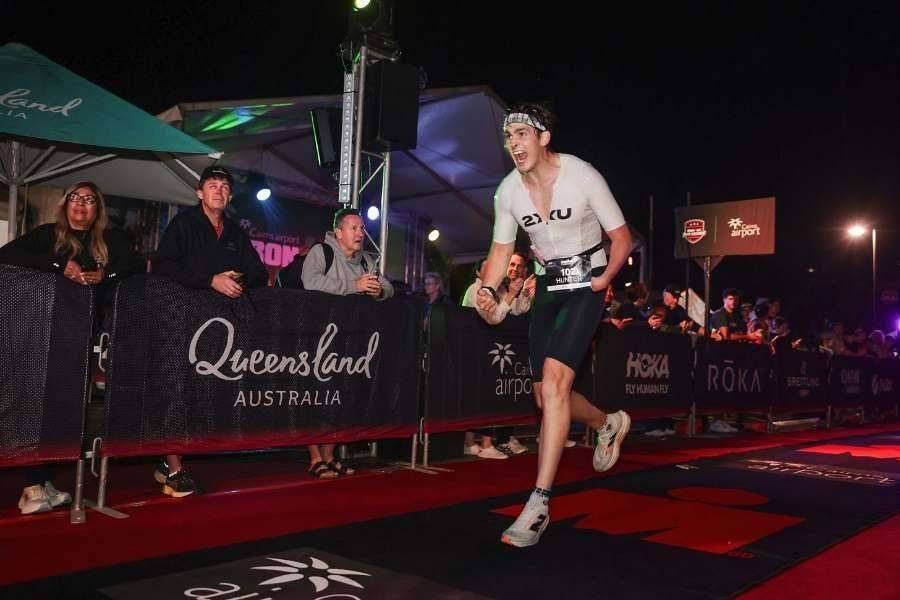
I understand the appeal of total commitment. I have been that guy. I say all this from a place of personal experience not just distant judgement. During my Ironman training, sport took priority over almost everything. Between writing my thesis and 20 hours or more of training a week. There wasn’t any time for extra activities. I wanted to find out what I was capable of, and the sacrifice had a clear object: a race, a date, a finish line. I knew what each day required, and doing it felt like progress. I’m glad I gave myself that experience, because it taught me I don’t want to live permanently at the edge of my capacity. Eventually the social cost caught up with me, along with the basic needs I’d let fall away, all for the sake of an arbitrary race distance, and once the finish line was crossed the emptiness was crippling. There is still a faster version of me available. He trains more, protects his sleep, and declines more invitations. I respect what becoming him would require, but there are other things I want to do. Sacrifice makes sense when it serves something meaningful; it becomes bizarre when sacrifice itself becomes the lifestyle. I can love sport without owing it the best athlete I could possibly become. So the question I’d put to most of you is this: do you really want to be in the top 0.1% of something? Almost everything is a bell curve in life, and if you paid attention in year 11 maths you’d know that the extremities are a very lonely place. Mark Manson has a great video essay on this.
Work has its own language of devotion: hundred-hour weeks, missed birthdays, abandoned weekends and permanent exhaustion. My father, the same man who taught me the art of grey, has often spoken to me in these terms. Work harder. Give everything. Extraordinary outcomes require extraordinary sacrifice. For a long time I took the doctrine literally. Rest felt weak, and friendship felt like time stolen from whatever successful future I was meant to be building. Yet his own life has included family, travel, sport and pleasure, and these things matter to him. The doctrine is harsher than the man delivering it, and I suspect what he really wants me to understand is simply that worthwhile things require serious effort. Serious, sustainable effort. On that, we agree. Where I’m trying to be more discerning is the suffering. A hundred-hour week tells me how long someone worked; I still want to know what they achieved and whether it deserved the cost. Sacrifice is a cost to be justified, not evidence that the goal deserves respect. There may be a season when En Foy Prest, the business I am building, demands an enormous amount of me, and I want to be capable of meeting it. But ambition should leave room for a life worth being ambitious about. Otherwise, I ought to ask what exactly I’m building towards.
IV. How Do We Return to Sustainable?
“Balance” has never quite described how I imagine that working. It suggests every part of life should get its fair allocation every week, which sounds like yet another administrative burden. My life has moved in seasons. Ironman was a season of sport; my thesis demanded a season of work; Munich offered a few days of friendship, travel and openness. None of them invalidates the others. The mistake isn’t giving one part of life unusual priority. It’s letting a temporary priority harden into a permanent judgement of character, and continuing to obey the demands of a season that has already ended. Some periods ask for discipline. Others ask for availability.
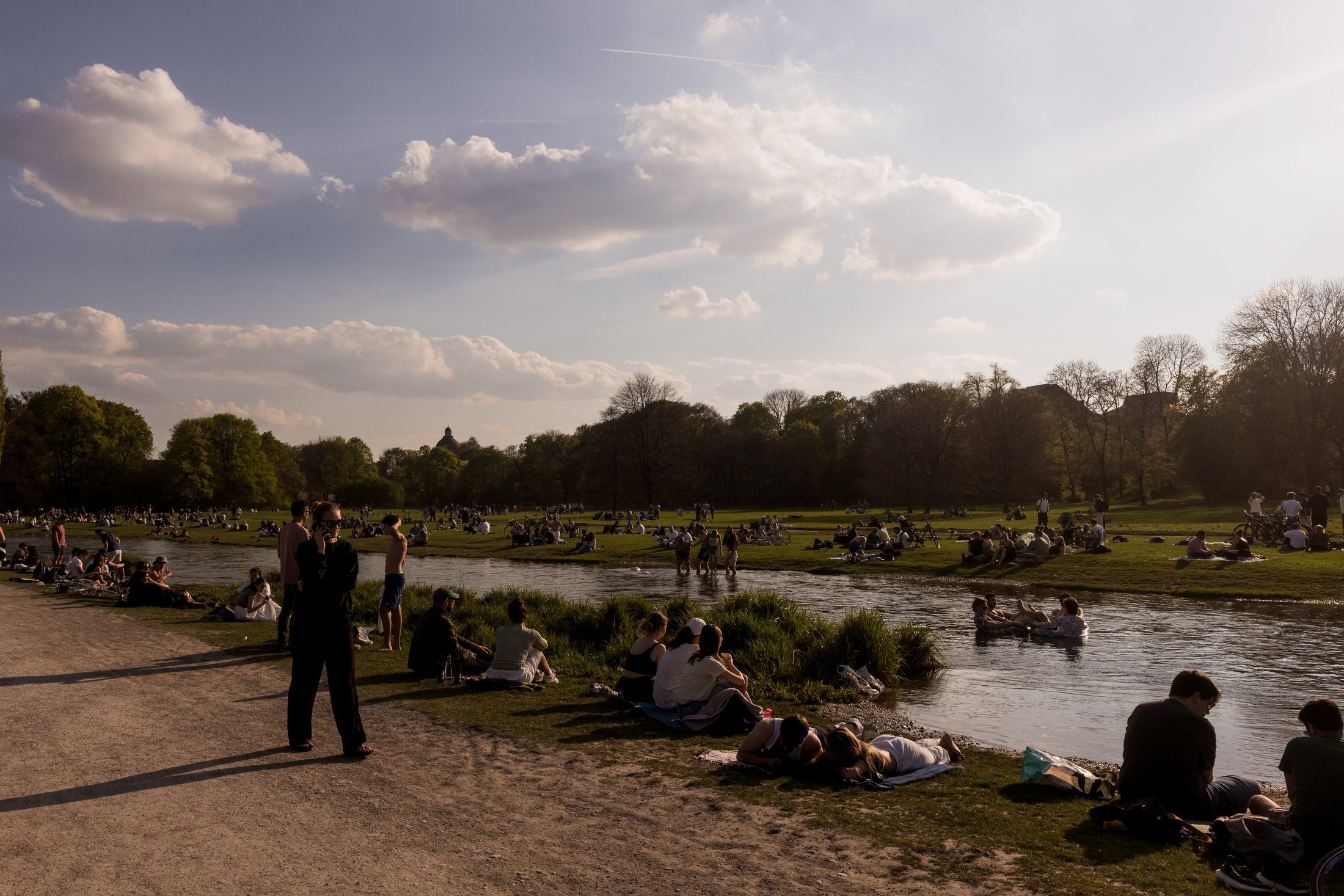
Part of the way back is simply spending less time watching other people explain their lives. Offline, people become complicated again, they become grey. The disciplined friend misses a session; the successful person wastes an afternoon; both remain perfectly recognisable to everyone who knows them. Both still achieve their goals. Going outside helps for a similar reason. Weather, water, and distance don’t care about a personal brand, and I’d like to finish more runs having noticed where I was, rather than remembering only how quickly I passed through it. Fiction offers another route. A novel lets people misunderstand themselves, want incompatible things and change direction without announcing a new personal philosophy, and I’d like to allow more of that in my own life. Reading doesn’t need to improve my career. A long lunch doesn’t need to produce an opportunity. I can spend an afternoon on something because it holds my attention, or because someone I love is there, and I’d like that to remain a sufficient explanation.
Other people are particularly troublesome if you’re trying to arrange a perfectly efficient life. They invite you out, stay longer than expected, need help and change plans. A life arranged entirely around self-improvement eventually starts treating them as interference. Yet when I consider what I value, much of it arrived through exactly these interruptions. To be human is, in part, to remain disruptable. I don’t want to waste my twenties, but I’ve become suspicious of the idea that the only way to avoid wasting them is to optimise them. I want to work seriously, stay physically capable, and build something significant. I also want to be available for friendship, family, travel, love, and evenings whose direction isn’t yet clear. My twenties are already part of my life, and I’m reluctant to spend the whole decade preparing for it.
V. Prost!
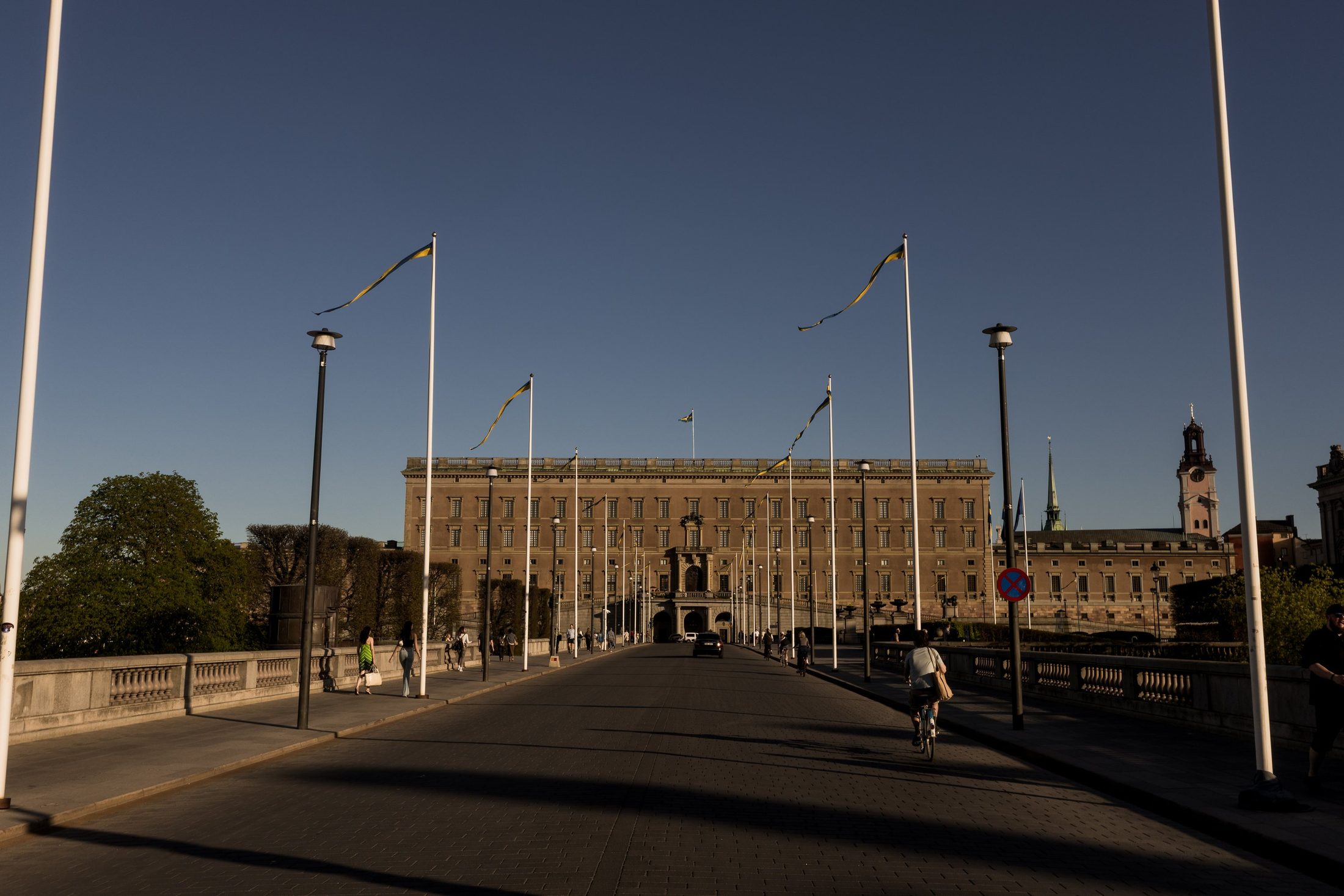
A few weeks after Munich, Caity and I saw each other again in Sweden. Just by luck we happened to both be in Stockholm and arranged to cross paths once again. By then, that first night had become the beginning of something. Whatever a Garmin might have made of Frühlingsfest, it couldn’t have recorded that possibility. (For the record, I would never wear a sports watch in a casual setting. I have standards, thank you.) Julia and I met because we kept showing up at the gym. Caity and I met because, for one evening, I was somewhere else. I still want to use my twenties well, but I no longer think that means becoming the pinnacle of every part of myself. Some seasons will ask for sacrifice. Some months will demand discipline. Some nights will ask me to stay at the table. Somethings you’ll be great at and somethings you’ll just have to accept you’ll be shit at. A full life requires knowing the difference, and having a purpose behind the effort.
If you take only one thing from this essay, let it be this. Work hard. Work fucking hard. Dedicate yourself to your passions, your craft, your career, and to becoming the fullest person you can, because that dedication is what lets you show up for the unexpected as an outstanding person. The discipline, the hard work, the sacrifice: they’re there to make you ready for the special moments, not to replace them. So push yourself to your limits in sport, start that business, travel to the country you’ve always wanted to see. Just not all at once, and don’t forget to stop and smell the roses once in a while. When you take your final breaths, you probably won’t remember the discipline; you’ll remember the unexpected moments. Play “Vienna” by Billy Joel, take the phone off the hook for a while, and I hope to hear your incredible stories over a drink sometime.
Prost! With eye contact ;)
The discipline, the hard work, the sacrifice: they’re there to make you ready for the special moments, not to replace them.